SpringBoot+Vue电商系统开发实战与架构设计

1. 项目概述与背景
作为一名长期从事企业级应用开发的工程师,我最近刚完成了一个基于SpringBoot+Vue的电商系统开发项目。这个系统从需求分析到最终上线历时3个月,期间踩了不少坑,也积累了一些值得分享的经验。
企业级电商系统不同于普通电商平台,它需要更强的扩展性、稳定性和安全性。我们选择SpringBoot作为后端框架,主要看中它的"约定优于配置"理念和丰富的starter依赖,能快速搭建起一个健壮的后台系统。而Vue作为前端框架,其组件化开发和响应式特性非常适合构建复杂的后台管理系统界面。
2. 技术选型与架构设计
2.1 后端技术栈
SpringBoot 2.7.x作为我们的核心框架,主要基于以下考虑:
- 内嵌Tomcat服务器,简化部署
- 自动配置减少了大量XML配置
- 丰富的starter依赖(如spring-boot-starter-data-jpa)
- 完善的监控机制(Actuator)
数据库选用MySQL 8.0,配合MyBatis-Plus作为ORM框架。MyBatis-Plus在传统MyBatis基础上提供了更多开箱即用的功能,比如:
java复制// 示例:MyBatis-Plus的Service层实现
public interface ProductService extends IService<Product> {
    Page<Product> queryByCondition(QueryCondition cond);
}

@Service
public class ProductServiceImpl extends ServiceImpl<ProductMapper, Product>
    implements ProductService {
    // 自定义查询逻辑
}
2.2 前端技术栈
Vue 3 + Element Plus构成我们的前端技术栈:
- Composition API更适合复杂逻辑组织
- Vue Router处理路由跳转
- Pinia作为状态管理库
- Axios处理HTTP请求
一个典型的产品列表组件结构如下:
vue复制<template>
  <el-table :data="products">
    <el-table-column prop="name" label="商品名称"/>
    <el-table-column prop="price" label="价格"/>
  </el-table>
</template>

<script setup>
import { ref, onMounted } from 'vue'
import { getProducts } from '@/api/product'

const products = ref([])

onMounted(async () => {
  products.value = await getProducts()
})
</script>
2.3 系统架构设计
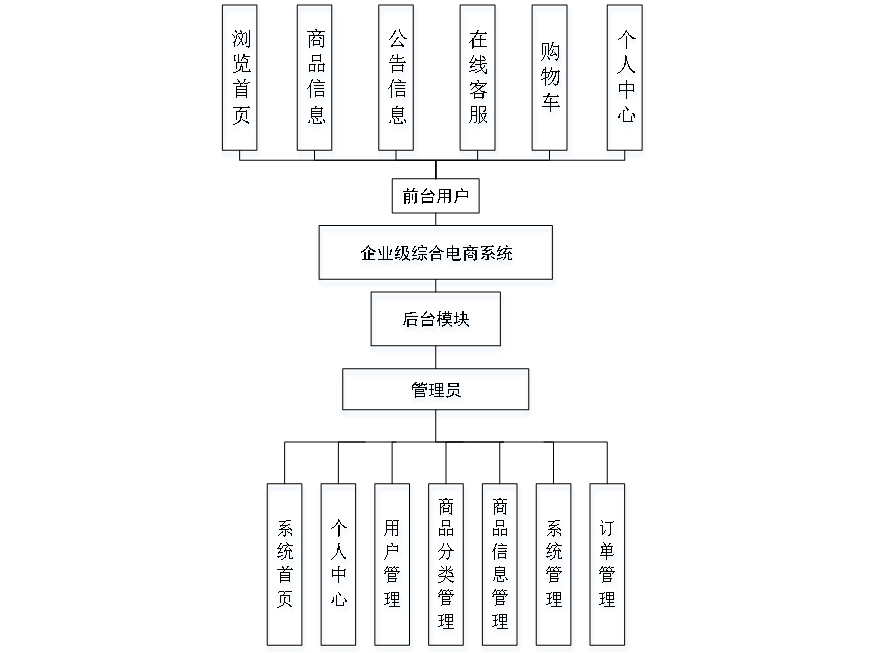
我们采用经典的三层架构:
- 表现层:Vue前端 + Nginx
- 应用层:SpringBoot + Spring Security
- 数据层:MySQL + Redis缓存
3. 核心功能实现
3.1 商品管理模块
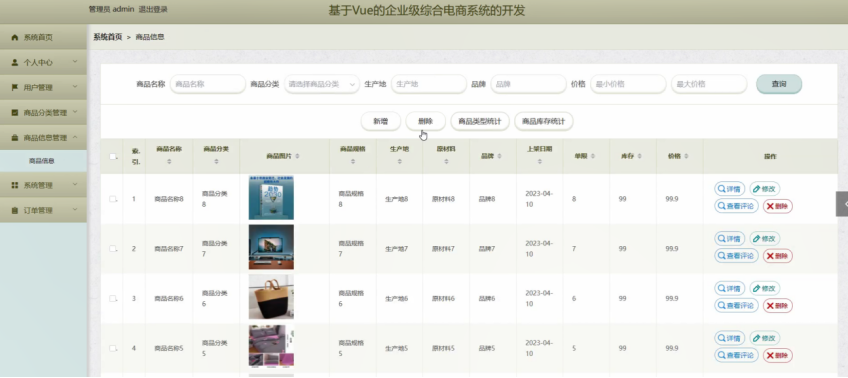
商品管理是电商系统的核心,我们设计了以下数据结构:
java复制@Entity
@Table(name = "product")
public class Product {
    @Id
    @GeneratedValue(strategy = GenerationType.IDENTITY)
    private Long id;

    private String name;
    private String category;
    private BigDecimal price;
    private Integer stock;

    @Column(name = "shelf_date")
    private LocalDate shelfDate;

    // 省略getter/setter
}
商品管理界面实现了CRUD操作,关键点包括:
- 图片上传使用阿里云OSS
- 价格使用BigDecimal避免精度问题
- 库存更新需要加锁防止超卖
3.2 订单处理流程
订单状态机设计:
mermaid复制stateDiagram
    [*] --> 待支付
    待支付 --> 已取消: 超时未支付
    待支付 --> 已支付: 支付成功
    已支付 --> 已发货
    已发货 --> 已完成: 确认收货
    已发货 --> 退款中: 申请退款
关键代码实现:
java复制@Transactional
public Order createOrder(OrderDTO dto) {
    // 1. 检查库存
    checkStock(dto.getItems());

    // 2. 创建订单
    Order order = new Order();
    // 设置订单属性...

    // 3. 扣减库存
    reduceStock(dto.getItems());

    return orderRepository.save(order);
}
3.3 权限管理系统
基于Spring Security + JWT实现权限控制:
java复制@Configuration
@EnableWebSecurity
public class SecurityConfig {
    @Bean
    public SecurityFilterChain filterChain(HttpSecurity http) throws Exception {
        http
            .csrf().disable()
            .authorizeRequests()
                .antMatchers("/api/auth/**").permitAll()
                .antMatchers("/api/admin/**").hasRole("ADMIN")
                .anyRequest().authenticated()
            .and()
            .addFilter(new JwtAuthenticationFilter(authenticationManager()))
            .sessionManagement()
                .sessionCreationPolicy(SessionCreationPolicy.STATELESS);
        return http.build();
    }
}
4. 关键问题与解决方案
4.1 高并发场景下的库存扣减
我们最终选择了Redis + 数据库的二级方案:
- 先在Redis中做预扣减
- 异步同步到数据库
- 使用Lua脚本保证原子性
lua复制-- Redis库存扣减脚本
local key = KEYS[1]
local change = tonumber(ARGV[1])
local current = tonumber(redis.call('GET', key) or "0")

if current + change >= 0 then
    redis.call('INCRBY', key, change)
    return 1
else
    return 0
end
4.2 分布式事务问题
对于跨服务的操作,我们采用本地消息表+定时任务的方式实现最终一致性:
- 在业务操作时记录消息到本地表
- 定时任务扫描并投递消息
- 消费者实现幂等处理
4.3 性能优化实践
-
接口响应优化:
- 启用Gzip压缩
- 合理使用HTTP缓存头
- 分页查询默认限制100条
-
数据库优化:
- 为常用查询添加索引
- 使用连接池(HikariCP)
- 慢查询监控
-
JVM调优:
- 设置合适的堆大小
- 使用G1垃圾回收器
- 开启JVM监控
5. 测试与部署
5.1 测试策略
我们采用分层测试策略:
- 单元测试:JUnit + Mockito,覆盖率>80%
- 集成测试:TestContainers + SpringBootTest
- E2E测试:Cypress
示例测试用例:
java复制@Test
public void testProductCreation() {
    ProductDTO dto = new ProductDTO();
    dto.setName("测试商品");
    dto.setPrice(new BigDecimal("99.99"));

    Product product = productService.createProduct(dto);

    assertNotNull(product.getId());
    assertEquals("测试商品", product.getName());
}
5.2 部署方案
使用Docker Compose编排服务:
yaml复制version: '3'
services:
  mysql:
    image: mysql:8.0
    environment:
      MYSQL_ROOT_PASSWORD: root
    ports:
      - "3306:3306"

  redis:
    image: redis:6
    ports:
      - "6379:6379"

  backend:
    build: ./backend
    ports:
      - "8080:8080"
    depends_on:
      - mysql
      - redis

  frontend:
    build: ./frontend
    ports:
      - "80:80"
部署流程:
- CI/CD流水线运行测试
- 构建Docker镜像
- 滚动更新到K8s集群
6. 项目总结与改进方向
经过这个项目的实战,有几个特别值得分享的经验:
-
接口设计要向前兼容,我们采用了版本化API:
code复制
/api/v1/products /api/v2/products -
日志收集非常重要,我们整合了ELK栈:
- 结构化日志(JSON格式)
- 分布式追踪(TraceID)
- 关键业务日志单独存储
-
监控告警必不可少:
- Prometheus收集指标
- Grafana可视化
- 关键指标设置告警
未来改进方向:
- 引入服务网格提高微服务治理能力
- 实现自动化压测流程
- 完善灰度发布机制
这个项目让我深刻体会到,一个好的电商系统不仅要有完善的功能,更需要考虑性能、可靠性和可维护性。特别是在高并发场景下,每一个设计决策都可能影响系统的整体表现。